
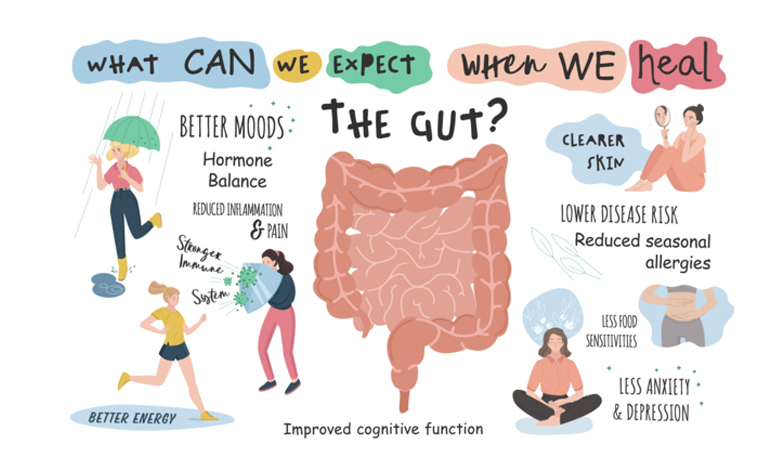
Why Gut Health Matters
Your gut is often called your “second brain.” It plays a crucial role in:
Immune Function: About 70% of your immune cells are found in the gut.
Mental Health: The gut and brain are closely connected through the gut-brain axis, impacting mood and cognition.
Nutrient Absorption: A healthy gut ensures your body gets the nutrients it needs from food.

Signs of an Unhappy Gut
Do you experience frequent bloating, indigestion, fatigue, or brain fog? These could be signs that your gut is struggling to maintain balance. Factors like stress, poor diet, and medications can disrupt your gut microbiome.
Steps to Restore Gut Health
- Adopt a Gut-Friendly Diet: Focus on whole, unprocessed foods. Incorporate plenty of fiber-rich fruits and vegetables, fermented foods, and prebiotic-rich items like garlic and onions.
- Avoid Triggers: Limit sugar, alcohol, and highly processed foods, which can harm your gut.
- Reduce Stress: Stress management techniques like meditation and yoga can positively affect gut health.
- Consider Probiotics and Supplements: Personalized supplementation can be beneficial, but always consult a professional before starting.
Partnering for Gut Health at NEXUS FUNCTIONAL MEDICINE AND WELLNESS
At NEXUS FUNCTIONAL MEDICINE AND WELLNESS, we specialize in identifying and addressing gut health imbalances. Through functional testing and personalized plans, we empower you to nurture your gut and transform your health.
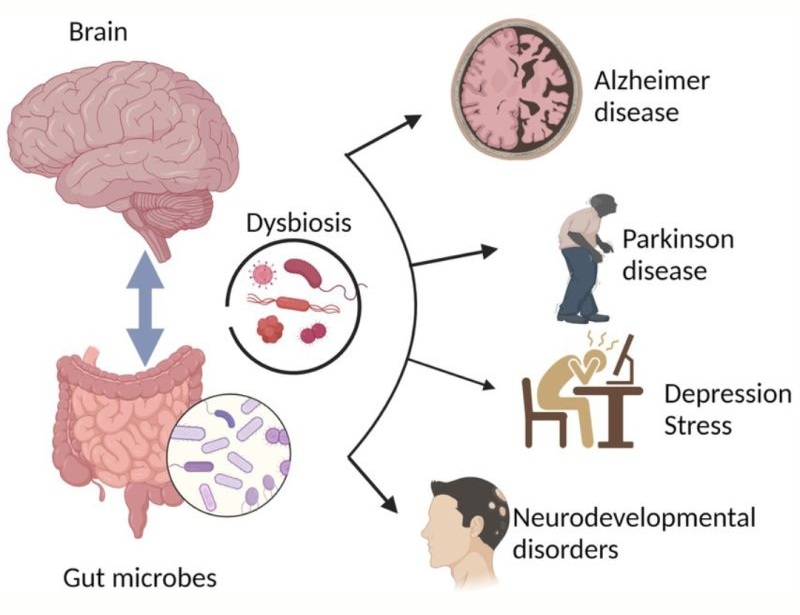
Why is gut health connected to mental health?
The connection between gut health and mental health lies within the fascinating gut-brain axis—a two-way communication network that links your gastrointestinal system and your brain. Here’s how they influence each other:
- Gut Microbiota and Neurotransmitters: The trillions of microorganisms in your gut, known as the microbiota, play a role in producing key neurotransmitters like serotonin, dopamine, and GABA, which regulate mood and emotions. In fact, about 90% of serotonin—the “feel-good” chemical—is made in the gut.
- The Vagus Nerve: This major nerve acts as a direct line of communication between your gut and brain. Signals from the gut can influence brain function, affecting things like stress responses and emotional states.
- Inflammation and Immune Responses: Gut health impacts levels of inflammation in the body. Chronic inflammation stemming from an imbalanced gut can contribute to mental health challenges like anxiety and depression.
- Stress Impact on the Gut: The gut-brain connection is bidirectional, meaning stress or mental health issues can negatively affect gut health, leading to a vicious cycle of imbalance.
What are some ways to improve gut microbiota?
Improving your gut microbiota—the community of microorganisms living in your digestive system—is key to supporting overall health. Here are some effective ways to enhance and maintain a balanced gut microbiota:
- Eat a Diverse Diet: Variety is essential! A diverse range of whole, unprocessed foods supports a wider variety of beneficial gut bacteria.
- Increase Fiber Intake: Fiber-rich foods like fruits, vegetables, legumes, and whole grains serve as fuel for your gut bacteria, especially those producing health-promoting short-chain fatty acids.
- Include Fermented Foods: Foods like yogurt, kefir, kimchi, sauerkraut, and miso are natural sources of probiotics, which add beneficial bacteria to your gut.
- Incorporate Prebiotic Foods: Prebiotics are the “food” for your probiotics. Foods such as garlic, onions, bananas, asparagus, and oats are rich in prebiotics.
- Limit Sugar and Processed Foods: High sugar and processed diets can lead to an overgrowth of harmful bacteria, upsetting the balance of your microbiota.
- Stay Hydrated: Drinking enough water supports the mucosal lining of the intestines and promotes the balance of bacteria.
- Exercise Regularly: Physical activity can positively influence gut health by increasing bacterial diversity.
- Manage Stress: Chronic stress can disrupt the gut-brain axis and negatively affect your gut bacteria. Practices like meditation, yoga, or mindfulness are great stress-relievers.
- Avoid Unnecessary Antibiotics: While antibiotics are sometimes necessary, they can wipe out both harmful and beneficial bacteria. Use them only when prescribed and follow up with probiotics if recommended by your doctor.
- Consider Probiotics and Supplements: Specific probiotics can help restore balance in the gut. Talk to a healthcare professional for personalized guidance on supplementation.
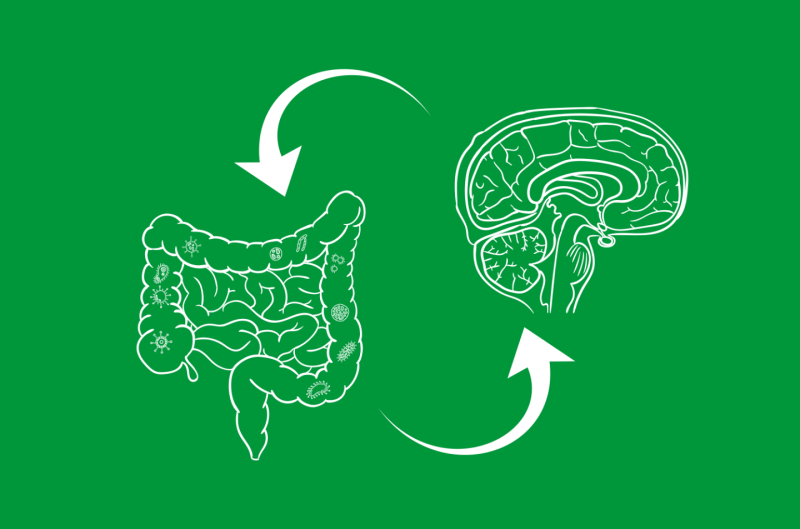
Recent studies have shed light on the fascinating connection between gut health and mental well-being:
- Gut Microbiota and Depression: A study involving over 2,500 adults found that specific gut bacteria, such as higher levels of Eggerthella and lower levels of Subdoligranulum, are linked to depression. Researchers even demonstrated that transferring gut microbiota from depressed individuals to non-depressed ones could induce depression-like symptoms
[A](https://globalrph.com/2025/03/the-hidden-link-how-gut-brain-axis-shapes-mental-health-new-research-findings)
- Gut-Brain Axis in Neurological Disorders: Research from Stanford explored how disruptions in the gut-brain axis might contribute to conditions like Parkinson’s disease, anxiety, and even cognitive effects of long COVID. The study highlighted the role of gut-derived molecules in regulating brain functions and physiological states
[B](https://news.stanford.edu/stories/2025/03/gut-brain-research-long-covid-parkinsons-anxiety)
- Gut Bacteria and Lipid Metabolism: Another study revealed that gut bacteria influence lipid metabolism, which in turn affects brain health. For instance, the bacterial species *Bacteroides plebeius* was found to impact major depressive disorder through changes in lipid levels, such as phosphatidylcholine
[C](https://www.psychreg.org/scientists-link-gut-bacteria-lipids-mental-health-disorders-new-study/
These findings emphasize the importance of maintaining a healthy gut for mental and emotional well-being.