Functional medicine

866-307-8454
24/7 EMERGENCY SERVICE

Functional Medicine

Transforming health through functional medicine

Functional medicine takes a root-cause approach, combining traditional and advanced Lab testing to uncover deeper metabolic imbalances. Tests are typically paired with personalized nutrition, lifestyle, and supplementation strategies to optimize health and prevent disease progression.

Are you battling with these symptoms.

  • Fatigue
  • Low Mood/Sad
  • Anxious Feelings
  • Brain Fog
  • Gas
  • Bloating
  • Acid Reflux
  • Abdominal pain
  • Food Sensitivity
  • Food Intolerances
  • Inflammatory bowel conditions(Such as Crohn’s disease, ulcerative colitis)
  • Hormonal imbalances linked to gut health
  • PCOS-Autoimmune diseases
  • Skin conditions like eczema, psoriasis, or acne
  • Nutritional deficiencies (e.g., B12, iron)
  • Unexplained weight loss or gain
  • Diarrhea
  • Constipation
  • Irritability
  • Sleep Issues
  • Muscle Aches/Pain.

What to Expect

Premenopausal and Menopausal Signs and Symptoms

  • Gut Health:
    • Focuses on optimizing digestion and the microbiome, as the gut is central to overall health.
    • May include prebiotics, probiotics, and gut-healing protocols.
  • Anti-Inflammatory Eating:
    • Encourages foods that reduce inflammation (e.g., omega-3 fatty acids, leafy greens, turmeric) and limits inflammatory foods (e.g., processed sugars, trans fats).
  • Blood Sugar Balance:
    • Supports stable blood sugar levels to reduce insulin resistance, energy crashes, and mood swings.
  • Detoxification:
    • Enhances the body’s natural detox pathways through liver-supportive foods (e.g., cruciferous vegetables, lemon, garlic).
  • Hormonal Support:
    • Focuses on balancing hormones through nutrient-dense foods, adaptogens, and stress reduction.

Functional Medicine

Let us work together to Root out the functional cause contributing to your symptoms.

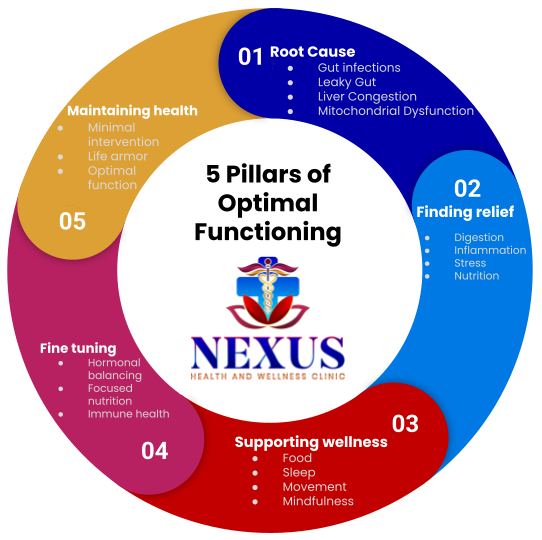
Functional medicine practitioners look for common root causes of disease, such as:
  • Chronic inflammation
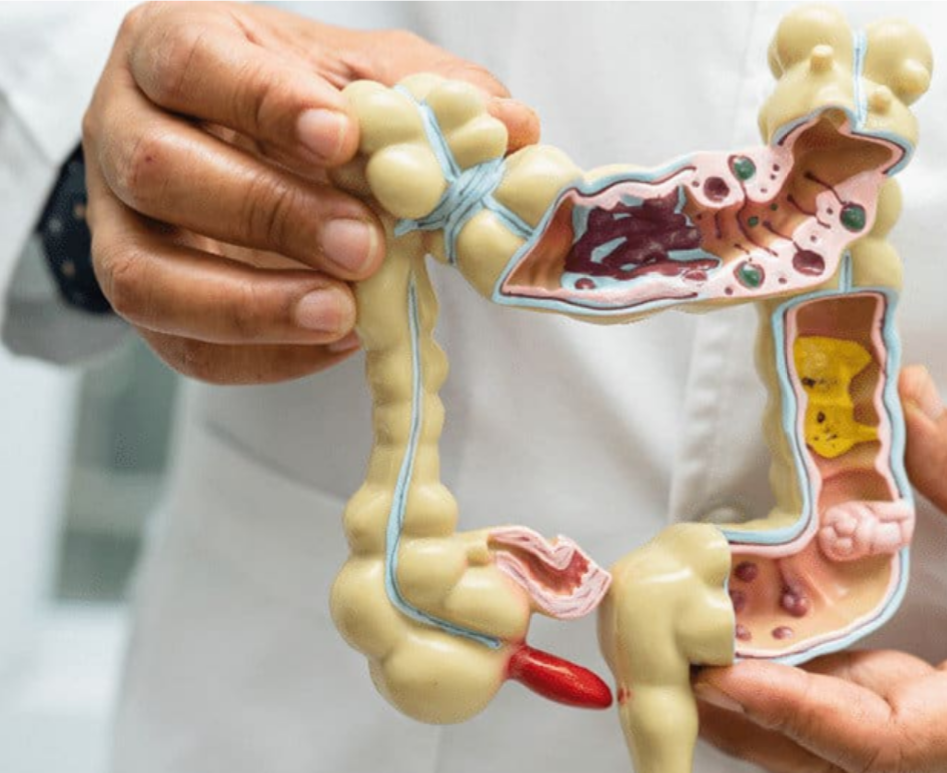
  • Gut dysfunction or dysbiosis
  • Hormonal imbalances
  • Mitochondrial dysfunction (energy production issues)
  • Nutrient deficiencies
  • Chronic infections (e.g., Lyme disease, viral infections)
  • Toxin exposure (e.g., heavy metals, mold)

Functional Medicine

Functional medicine can address a wide range of health issues, including:

  • Chronic Conditions:
    • Autoimmune diseases: Hashimoto’s, rheumatoid arthritis, lupus.
    • Digestive disorders: IBS, SIBO, Crohn’s, leaky gut.
    • Metabolic issues: Diabetes, obesity, insulin resistance.
    • Cardiovascular disease: High blood pressure, high cholesterol, inflammation.
  • Hormonal Imbalances:
    • Thyroid dysfunction, adrenal fatigue, PCOS, menopause.
  • Mental Health:
    • Anxiety, depression, brain fog, ADHD, cognitive decline.
  • Fatigue and Energy Issues:
    • Chronic fatigue syndrome, mitochondrial dysfunction.
  • Pain and Inflammation:
    • Migraines, fibromyalgia, arthritis.
  • Preventive Health:
    • Early detection of risks and optimization of overall well-being.

Functional Medicine

Key Components of a Functional Medicine is also a Functional Nutrition Approach

Functional nutrition combines science, a deep understanding of the body’s systems, and personalized care to empower individuals to achieve optimal health and well-being. It serves as a foundation for sustainable lifestyle changes that promote long-term wellness.

  • Gut Health:
    • Focuses on optimizing digestion and the microbiome, as the gut is central to overall health.
    • May include prebiotics, probiotics, and gut-healing protocols.
  • Anti-Inflammatory Eating:
    • Encourages foods that reduce inflammation (e.g., omega-3 fatty acids, leafy greens, turmeric) and limits inflammatory foods (e.g., processed sugars, trans fats).
  • Blood Sugar Balance:
    • Supports stable blood sugar levels to reduce insulin resistance, energy crashes, and mood swings.
  • Detoxification:
    • Enhances the body’s natural detox pathways through liver-supportive foods (e.g., cruciferous vegetables, lemon, garlic).
  • Hormonal Support:
    • Focuses on balancing hormones through nutrient-dense foods, adaptogens, and stress reduction.

LAB TESTING

Key Tools and Labs in Functional Medicine

  • Advanced Testing:
    • Gut microbiome analysis (e.g., GI-MAP, stool tests).
    • Hormone panels (e.g., DUTCH test, thyroid panels).
    • Nutritional status (e.g., OAT test, micronutrient testing).
    • Toxin panels (e.g., heavy metals, mold exposure).
  • Functional Nutrition:
    • Food as medicine to reduce inflammation and restore balance.
  • Stress and Sleep Assessments:
    • Tools for evaluating the effects of stress and sleep on health.

Advanced Functional Gut Labs

SIBO Breath test (Small Intestinal Bacterial Overgrowth)

This is condition where there is an abnormal increase in the number or type of bacteria in the small intestine. Normally, the small intestine has relatively low bacterial populations compared to the large intestine. In SIBO, this balance is disrupted, often leading to gastrointestinal symptoms.

The SIBO Breath Test measures the levels of hydrogen and methane gases produced by bacteria in the small intestine during the fermentation of carbohydrates. These gases are absorbed into the bloodstream, transported to the lungs, and exhaled, making them detectable in a breath sample. The test is specifically designed to identify Small Intestinal Bacterial Overgrowth (SIBO), a condition where excessive or abnormal bacteria reside in the small intestine.

What Does the Test Measure?

    1. Hydrogen Gas:
      • Produced by certain bacteria as they ferment undigested carbohydrates in the small intestine.
      • Elevated hydrogen levels can indicate bacterial overgrowth, often associated with diarrhea-predominant SIBO.
    2. Methane Gas:
      • Produced by archaea (methanogenic microorganisms) in the gut as they metabolize hydrogen.
      • High methane levels are commonly associated with constipation-predominant SIBO (Methane-predominant SIBO or Intestinal Methanogen Overgrowth, IMO).
    3. Hydrogen Sulfide Gas (in some advanced tests):
      • Some tests now measure hydrogen sulfide, another gas linked to certain types of SIBO, particularly associated with diarrhea and bloating.

ADVANCED FUNCTIONAL GUT LABS

GI-Map stool test

The GI-MAP Stool Test (Gastrointestinal Microbial Assay Plus) is a cutting-edge diagnostic tool that analyzes the health of the gut microbiome using DNA-based technology called quantitative PCR (qPCR). This test identifies and quantifies microorganisms in the gastrointestinal tract, including bacteria, parasites, fungi, and viruses. It also evaluates markers of digestion, inflammation, and immune function. This test is highly regarded for its ability to provide precise and actionable information about the microbiome and its influence on overall health.


What Does the GI-MAP Stool Test Measure?
  • Pathogenic and Opportunistic Microorganisms:
    • Bacteria: Includes harmful pathogens like Clostridium difficile, Salmonella, E. coli, and Campylobacter.
    • Viruses: Detects specific viral pathogens like norovirus and rotavirus.
    • Parasites: Identifies parasites like Giardia lamblia, Blastocystis hominis, and Cryptosporidium.
    • Fungi and Yeast: Detects overgrowth of species such as Candida.
  • Beneficial Microbiota:
    • Quantifies levels of healthy gut bacteria, such as Lactobacillus, Bifidobacterium, and Akkermansia muciniphila.
  • Gut Health Markers:
    • Calprotectin: A marker of inflammation in the gut lining, often associated with conditions like Crohn’s disease or ulcerative colitis.
    • Secretory IgA (sIgA): Indicates gut immune function.
    • Elastase-1: Reflects pancreatic enzyme output and digestion.
    • Steatocrit: Assesses fat digestion.
    • Beta-glucuronidase: Indicates detoxification efficiency and hormone metabolism.
  • Intestinal Permeability (Leaky Gut):
    • Zonulin: Measures gut lining integrity, which can suggest increased intestinal permeability.
  • Antibiotic Resistance Genes:
    • Identifies resistance patterns in harmful bacteria to guide targeted treatment options.

OAT (ORGANIC ACID TEST) URINE TEST

  • The OAT Urine Test (Organic Acids Test) is a comprehensive diagnostic tool used to assess metabolic function, identify nutrient deficiencies, and detect underlying causes of chronic symptoms or conditions. It’s often used in conjunction with other functional tests (e.g., GI-MAP, SIBO, or hormone testing) for a more complete picture of a patient’s health.
  • The OAT Urine Test (Organic Acids Test) is a comprehensive diagnostic tool used to assess metabolic function; The test evaluates various categories of organic acids to give a holistic view of the body’s metabolic health. Key areas include:
    • Gut Health: Fungal and Yeast Overgrowth:
     Detects metabolites of yeast (e.g., Candida albicans) or fungal species that may contribute to symptoms like fatigue, brain fog, or digestive issues. Bacterial Dysbiosis: Identifies imbalances or overgrowth of harmful bacteria in the gut.
    • Energy Production (Mitochondrial Function): 
    Assesses the Krebs cycle (citric acid cycle) and mitochondrial metabolism. Detects issues with energy production, which can cause fatigue and low stamina.
    • Nutritional Deficiencies: B-Vitamins:
     Indicates deficiencies in B1, B2, B3, B5, and B6, which are critical for energy metabolism. Vitamin C: Assesses antioxidant status. Glutathione: A key antioxidant involved in detoxification and oxidative stress management.
    • Neurotransmitter Metabolism: 
    Measures precursors and metabolites of neurotransmitters like serotonin, dopamine, and norepinephrine. Helps identify imbalances linked to mood disorders, anxiety, depression, and ADHD.
    • Detoxification and Oxidative Stress: 
    Evaluates markers of oxidative damage and the body’s ability to detoxify harmful substances. Provides insight into liver function and overall toxin burden.
    • Oxalates:
    Detects high levels of oxalates, which can contribute to kidney stones, joint pain, or inflammation. Often linked to gut infections or dietary factors.

ADVANCED BLOOD LABS

HEART, BRAIN & ADRENAL HEALTH, THYROID, HEART, LIVER & GENERAL HEALTH BLOOD TESTS.

In functional medicine, lab tests aim to provide a comprehensive and detailed analysis of how different systems in the body are functioning. For thyroid, heart, liver, and general health, functional medicine practitioners often go beyond standard panels to assess deeper root causes and metabolic dysfunctions.

Thyroid Health

  • TSH (Thyroid-Stimulating Hormone): Standard marker but not sufficient alone.
  • Free T4 (Thyroxine): Measures unbound, active thyroid hormone.
  • Free T3 (Triiodothyronine): Evaluates the metabolically active thyroid hormone.
  • Reverse T3: Assesses if the body is converting T4 to inactive T3, often a stress or inflammation marker.
  • Thyroid Antibodies:
    • Anti-TPO (Thyroid Peroxidase Antibody): Indicates autoimmune thyroid disorders like Hashimoto’s or Graves’ disease.
    • Anti-thyroglobulin Antibody (TgAb): Another marker of autoimmunity.
  • Thyroglobulin: Useful in tracking thyroid cancer or iodine status.
  • Iodine and Selenium: Essential for thyroid function.
  • Vitamin D, Zinc, and Iron: Nutrients critical for thyroid health.

Heart Health

Functional medicine focuses on early detection and prevention of cardiovascular disease using advanced markers:

  • Lipid Panel:
    • Total Cholesterol
    • LDL (Low-Density Lipoprotein): Include subfractions (e.g., small, dense LDL particles).
    • HDL (High-Density Lipoprotein)
    • Triglycerides
  • Advanced Lipoprotein Testing:
    • LDL-P (Particle Number): Measures the number of LDL particles.
    • ApoB: Marker of atherogenic particles.
  • Inflammation Markers:
    • hs-CRP (High-Sensitivity C-Reactive Protein): Measures low-grade inflammation.
    • Lp-PLA2 (Lipoprotein-Associated Phospholipase A2): Marker for vascular inflammation.
    • Fibrinogen: Linked to clotting and inflammation.
  • Glucose Regulation:
    • Fasting Insulin
    • Hemoglobin A1c (HbA1c)
    • Glucose Tolerance Test (GTT)
  • Homocysteine: Elevated levels are linked to cardiovascular risk.
  • Omega-3 Index: Assesses the balance of omega-3 and omega-6 fatty acids for heart health.

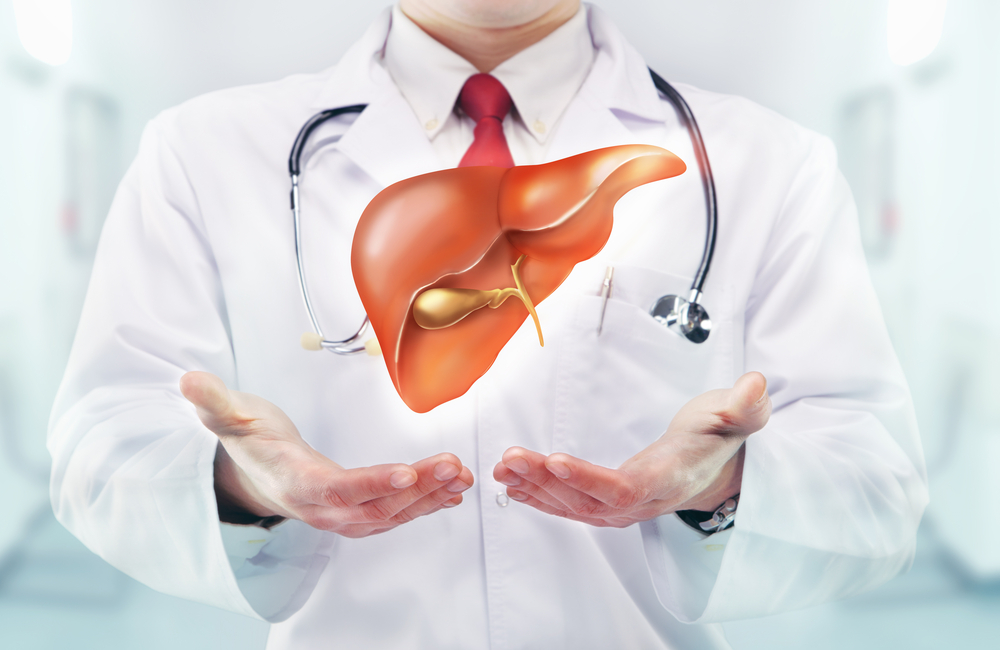
Liver Health

Functional tests often look deeper than standard liver panels to assess detoxification capacity and metabolic function:

  • Standard Liver Panel:
    • ALT (Alanine Aminotransferase)
    • AST (Aspartate Aminotransferase)
    • ALP (Alkaline Phosphatase)
    • Bilirubin (Total and Direct)
    • GGT (Gamma-Glutamyl Transferase): Highly sensitive for liver stress and detoxification.
  • Detoxification Markers:
    • Glutathione levels
    • Sulfation and Methylation Pathways
    • Toxins and Heavy Metals: E.g., mercury, lead, arsenic.
  • Fatty Liver Screening:
    • Liver Ultrasound Elastography (imaging, not a lab test).
    • Ferritin: Can indicate iron overload or inflammation.
  • Nutritional Markers:
    • Vitamin A and E: Fat-soluble vitamins stored in the liver.
    • B Vitamins: Especially B12 and Folate, critical for liver function

General Health

A comprehensive health panel in functional medicine often includes:

Nutrient Markers:

  • Vitamin D (25-hydroxy Vitamin D): Optimal levels are crucial for immunity, bone health, and inflammation control.
  • B Vitamins:
    • B12
    • Folate (Methylfolate preferred): Evaluates methylation pathways.
  • Iron Panel:
    • Ferritin
    • Serum Iron
    • Total Iron Binding Capacity (TIBC)
    • Transferrin Saturation
  • Magnesium, Zinc, Copper: Assess key mineral levels.

Glucose and Metabolic Function:

  • Fasting Glucose
  • Hemoglobin A1c (HbA1c)
  • Insulin Resistance Testing:
    • HOMA-IR (Homeostatic Model Assessment for Insulin Resistance).

Inflammatory and Immune Markers:

  • hs-CRP (High-Sensitivity C-Reactive Protein)
  • ESR (Erythrocyte Sedimentation Rate): General inflammation marker.
  • Immunoglobulins (IgA, IgM, IgG): To assess immune response.

Hormonal and Adrenal Function:

  • Cortisol (Salivary or Urinary Testing): For adrenal health.
  • DHEA-S (Dehydroepiandrosterone Sulfate): Reflects adrenal reserves.

Kidney Function:

  • BUN (Blood Urea Nitrogen)
  • Creatinine
  • eGFR (Estimated Glomerular Filtration Rate)

Complete Blood Count (CBC):

  • Measures red and white blood cells, hemoglobin, hematocrit, and platelets.

OTHER ADVANCED LABS

“LEAKY GUT”, HIGH HISTAMINE, EBV, LYME, HORMONE TESTING, FOOD SENSITIVITIES

Other labs may be ordered as needed on a case-by-case basis including the following:

  • HORMONE TESTING: – Precision Analytical (DUTCH- Advanced & Comprehensive Hormone Testing- most extensive profile of sex and adrenal hormones along with their metabolites + organic acids profile)

  • Precision Point Labs: (blood test for “leaky gut” particularly measuring histamine, DAO, LPS, zonulin, etc).

  • Analytical Research Labs: (hair tissue test for overall wellness, heavy metals, mineral levels).

  • Cyrex Labs: (blood test for food allergies/cross-reactivity, etc) There is a wide variety of tests and costs depending on what is ordered. Contact the office for exact pricing.

  • Epstein-Barr Virus Full Panel: (blood lab to demonstrate current, past or reactivation of virus).

  • Igenex Lyme Testing: (blood lab testing for Lyme antigens). Contact the office for exact pricing.

Functional Medicine vs. Conventional Medicine

Functional Medicine

  • Focuses on root causes of illness
  • Patient-centered
  • Holistic view of body systems
  • Integrates lifestyle factors
  • Personalized treatment plans

Conventional Medicine

  • Focuses on managing symptoms
  • Disease-centered
  • Specialization in single organs
  • Often overlooks lifestyle
  • Standardized protocols

Examples of Functional Medicine in Action

  • Autoimmune Disease:
    • Rather than only prescribing immunosuppressants, functional medicine investigates gut health, food sensitivities, chronic infections, and stress as possible triggers for the autoimmune response.
  • Irritable Bowel Syndrome (IBS):
    • Functional medicine explores food sensitivities, dysbiosis (imbalance of gut bacteria), and stress, offering dietary changes, probiotics, and stress management as solutions.
  • Chronic Fatigue:
    • Instead of attributing fatigue to general stress, practitioners assess mitochondrial function, adrenal health, nutrient deficiencies, and possible hidden infections.